


Our Autism-Friendly Vacation Guide
Vacations are supposed to be relaxing. But when you’re navigating autism and vacations, the idea of travel can feel more overwhelming than exciting. New environments, loud sounds, unfamiliar routines, crowded spaces, and unexpected schedule changes can quickly shift a family trip from joyful to stressful.
The good news? With thoughtful planning and sensory-aware strategies, autism friendly vacations are not only possible, they can be meaningful, confidence-building experiences for the entire family.
Why Autism-Friendly Vacations Require a Different Approach
For many families, traditional travel advice doesn’t account for sensory sensitivities, routine disruptions, communication differences, or anxiety around unpredictability. But inclusive travel is becoming more accessible than ever. According to the CDC, approximately 1 in 31 children in the United States has been identified with autism spectrum disorder (ASD).
As awareness grows, more destinations, airlines, and attractions are adapting their spaces and staff training to support neurodivergent travelers. That means autism friendly family vacations are no longer niche, they’re increasingly part of mainstream travel planning. The key difference isn’t necessarily where you go. It’s how you prepare.
Choosing the Right Destination for Autism Friendly Vacations
Not all vacations need to involve theme parks or packed itineraries. In fact, many successful autism travel experiences prioritize predictability and manageable sensory environments over high-energy attractions.
When researching destinations, look for signs of inclusion. Some attractions and resorts earn certifications through organizations like IBCCES (International Board of Credentialing and Continuing Education Standards), which designates Certified Autism Centers (CAC). These certifications indicate that staff receive autism-specific and sensory-awareness training.
Certified locations often provide:
- Staff trained in sensory sensitivities
- Quiet rooms or decompression spaces
- Visual guides and pre-visit planning tools
- Flexible dining or ride accommodations
Beyond certification, consider the overall environment. Nature-based trips such as beach houses, mountain cabins, or national parks often provide open space and fewer crowds. Off-season travel can also dramatically reduce noise and overstimulation. Even structured resorts with predictable daily schedules can work well for families who benefit from routine.
Planning for Sensory Friendly Vacations: Preparation Is Everything
One of the most powerful tools in autism travel planning is predictability. The more familiar the experience feels before you arrive, the smoother it tends to go.
Start by building a visual itinerary. Showing photos of the hotel room, watching YouTube walkthroughs of attractions, or exploring destinations through Google Street View can make new environments feel less intimidating. Seeing what’s coming reduces anxiety significantly.
If flying is part of your trip, look into rehearsal programs. Some airports offer mock boarding experiences through programs like Wings for Autism, allowing families to practice navigating security and boarding before the actual travel day. Even small preparation steps like reviewing airport layouts or explaining each phase of travel can reduce uncertainty.
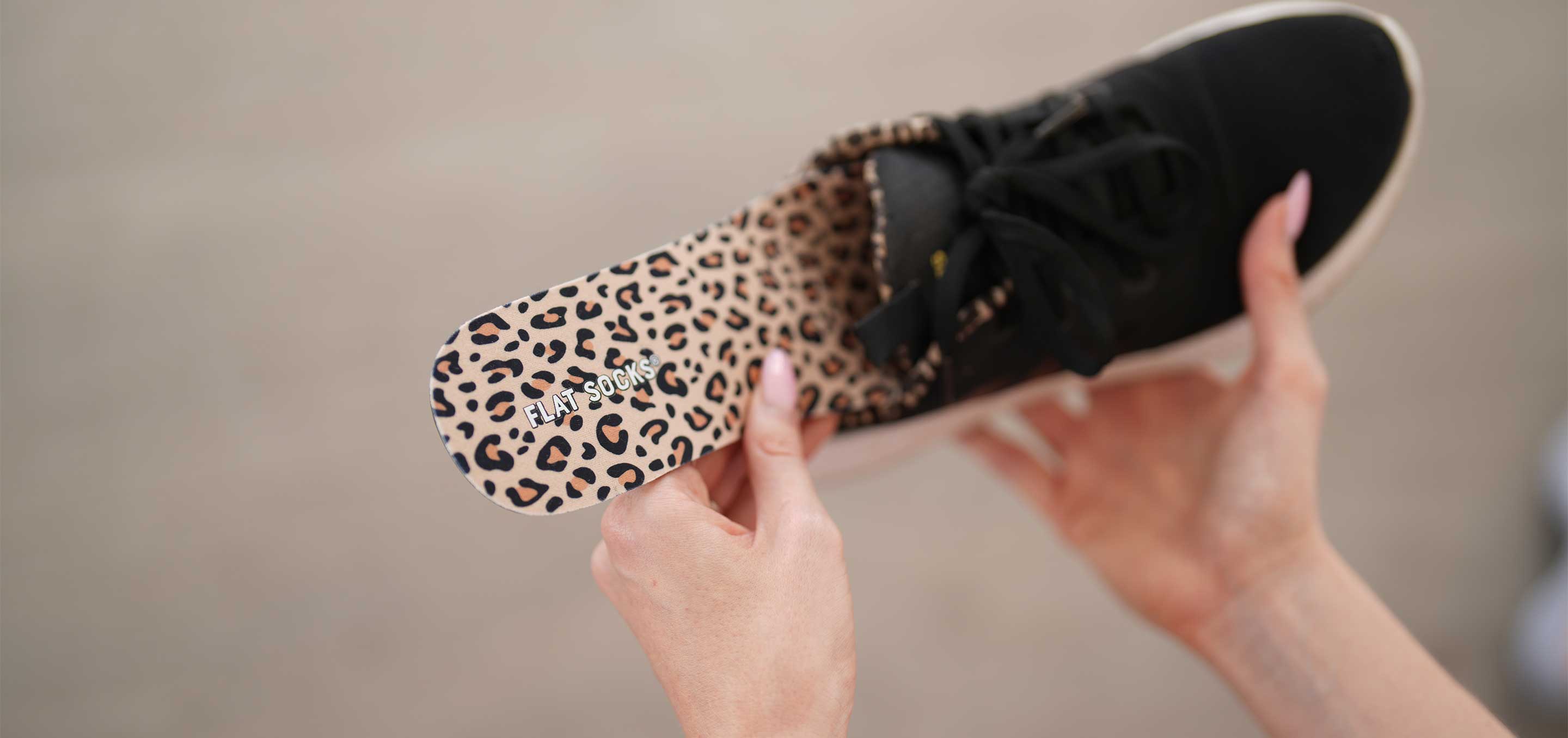
Equally important is what you pack. A sensory toolkit can make the difference between a manageable day and a meltdown. Familiar snacks, noise-canceling headphones, sunglasses, comfort items, and breathable, irritation-free clothing should be considered essentials. Small sensory irritants can become amplified when routines change. Comfortable layers and seamless footwear solutions can quietly remove stress triggers before they start.
Navigating Transportation During Autism Travel
Transportation is often the most stimulating part of any trip. Airports are loud. Security lines are unpredictable. Boarding announcements can be overwhelming. If you’re flying, request early boarding to allow extra time and reduce crowd pressure. The TSA Cares program provides additional support for travelers with disabilities and medical needs.
Choosing aisle seats can allow for easier movement, and downloading airport maps ahead of time helps reduce last-minute confusion.
For some families, driving is simply a better fit. Road trips allow for scheduled breaks, flexible timing, and controlled sensory environments. Autism-friendly family vacations don’t have to include flights to be meaningful.
Finding Autism Friendly Activities Near You (Even While Traveling)
Once you arrive, daily activities can make or break your experience. Searching for “autism-friendly activities near me” can reveal surprising options, even in unfamiliar cities.
Many museums, theaters, and movie chains offer sensory-friendly hours with reduced lighting and sound. Nature centers and adaptive playgrounds often provide quieter alternatives to traditional attractions. Before committing to an activity, consider calling ahead. Ask:
- When is your least busy time?
- Do you offer quiet areas?
- Can we preview the environment in advance?
More often than not, businesses are willing to accommodate; they just need to be asked.
Managing Sensory Overload During Your Trip
Even the best plans won’t eliminate every unexpected moment. The goal isn’t perfection; it’s flexibility.
Learn to recognize early signs of overload. Increased stimming, irritability, withdrawal, or verbal shutdown can signal that it’s time for a reset. Identifying exit points before entering busy areas helps create a sense of safety. Knowing where to go if things become overwhelming provides peace of mind.
Sometimes, ten minutes in a quiet space can save an entire afternoon.
Clothing comfort plays a bigger role here than many families realize. Tight elastic, scratchy seams, or socks that slip and bunch can become major irritants during overstimulation. Eliminating those small discomforts ahead of time helps reduce cumulative stress.

Balancing the Needs of the Whole Family
Vacations should support every family member, including siblings. Involving everyone in planning helps build shared ownership of the trip. Consider letting each child choose one activity. Build downtime into your schedule. Avoid overscheduling. And most importantly, release the pressure to “do it all.” Sometimes, the most meaningful vacation memories happen during calm afternoons, not crowded attractions.
Planning autism-friendly vacations requires more thought upfront, but the payoff is worth it. With intentional preparation, sensory-aware choices, and realistic expectations, travel can become something your family looks forward to rather than fears.
The goal isn’t to eliminate every challenge. It’s to create an environment where your child feels safe, supported, and able to participate at their own pace. And when comfort is prioritized, the entire experience feels lighter.
Autism-Friendly Vacation FAQs
Q: What makes a vacation autism friendly?
A: An autism friendly vacation prioritizes sensory awareness, predictable routines, quiet spaces, and flexibility in activities and scheduling.
Q: Are there certified autism friendly vacations?
Q: Yes. Some destinations are designated as Certified Autism Centers through IBCCES, meaning staff receive autism-specific training.
Q: Is flying or driving better for autism travel?
A: It depends on individual needs. Driving offers more flexibility and sensory control, while flying reduces travel time but requires additional preparation.
Q: What should I pack for a sensory friendly vacation?
A: Bring familiar comfort items, noise-reducing tools, snacks, visual schedules, and comfortable clothing that minimizes irritation.
References
https://www.cdc.gov/autism/data-research/index.html


