


3 Tips for Kids Who Hate Socks
If getting your child dressed involves a daily argument about socks, you’re not alone. For some kids, socks are mildly annoying. For others, they feel downright unbearable. Seams feel “wrong,” fabric bunches in weird places, elastic feels too tight, and suddenly everyone is late because one sock seam ruined the entire morning. It sounds small until you’re living it.
The good news is that kids who hate socks aren’t being dramatic, picky, or difficult. Often, there’s a real sensory reason behind the reaction. And once you understand what’s causing the discomfort, finding solutions becomes much easier.
Why Some Kids Can’t Stand Socks
For kids with sensory sensitivities, certain textures or sensations can feel overwhelming. Something as minor as a seam pressing against a toe can become impossible to ignore. This is especially common in children with sensory processing differences or autism spectrum disorder, though plenty of kids without formal diagnoses experience it too.
According to the Child Mind Institute, children with sensory sensitivities may react strongly to clothing textures, seams, tags, or pressure because their nervous systems process sensory input differently. And honestly? Once you notice how many weird things socks do: slipping, bunching, squeezing, twisting, it starts to make sense why some kids are over it.
Tip #1: Start with Seamless or Sensory-Friendly Socks
Not all socks are created equal, especially when it comes to sensory comfort. Traditional socks often have bulky seams across the toes, tight elastic around the ankle, or fabrics that trap heat and moisture. For kids with sensory sensitivities, those small details can feel huge. That’s why many parents start with:
- Seamless, sensory-friendly socks
- Soft, breathable materials
- Lightweight designs with minimal stitching
The goal isn’t necessarily to find “perfect” socks. It’s to remove as many distractions as possible.

What Makes Socks More Sensory-Friendly?
The best socks for kids with sensory issues tend to be flat or have minimal seams, mad with soft, flexible fabrics, gentle cuffs without tight elastic, and breathability to reduce heat buildup. Sometimes even turning socks inside out can help reduce irritation from seams.
Tip #2: Let Kids Have More Control
A lot of sock battles come from feeling trapped in discomfort. Giving kids some control over the process can reduce stress dramatically. Instead of insisting on one pair, offer a few comfortable options and let them choose what feels best that day. Some kids prefer thinner socks, no-show styles, being barefoot at home, and softer materials in certain shoes. And some kids simply do better when socks don’t feel like socks at all.
Sometimes Less Fabric = Less Fuss
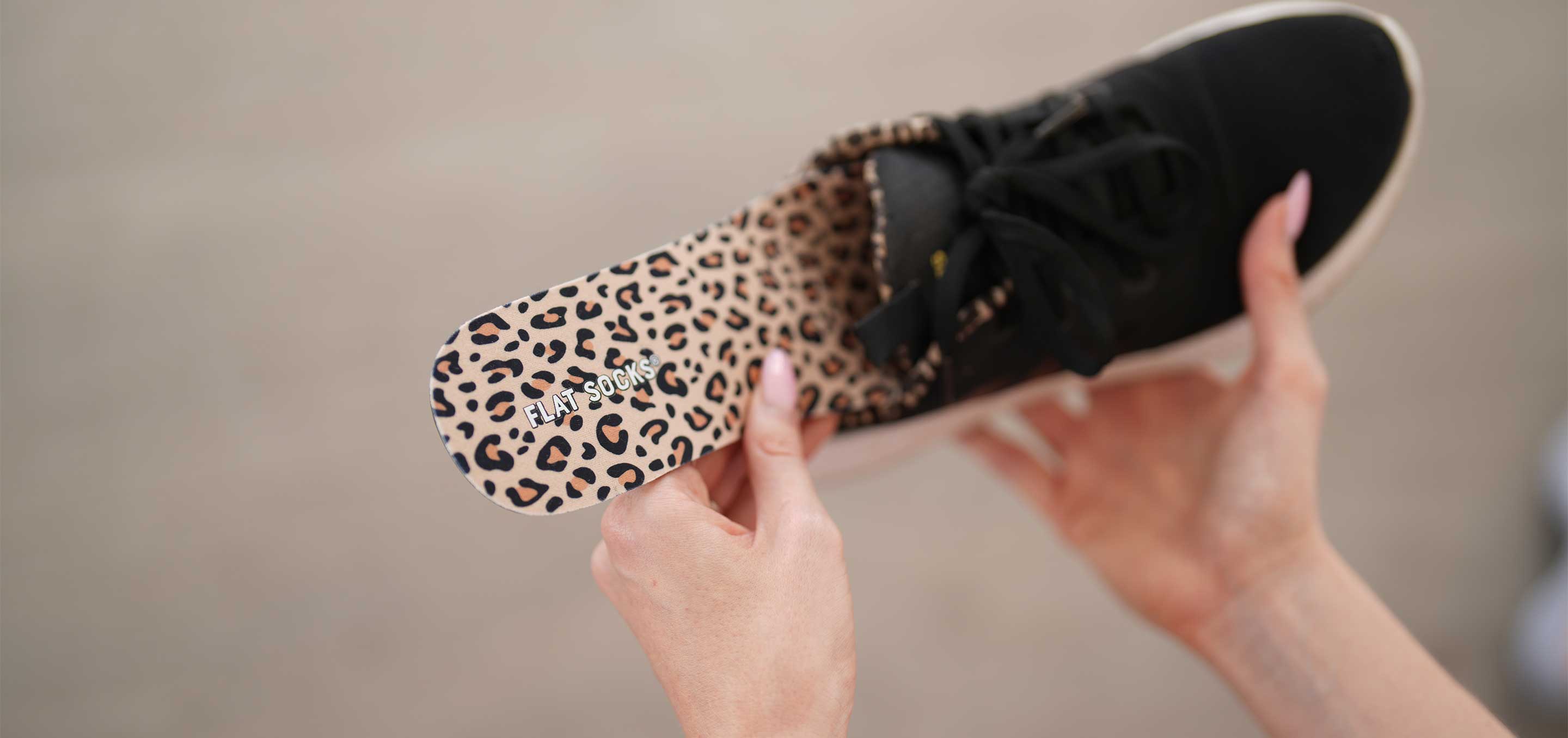
For kids who constantly complain about bunching, slipping, or seams, reducing the amount of material inside the shoe can help. That’s one reason many families look for alternatives to traditional socks entirely.
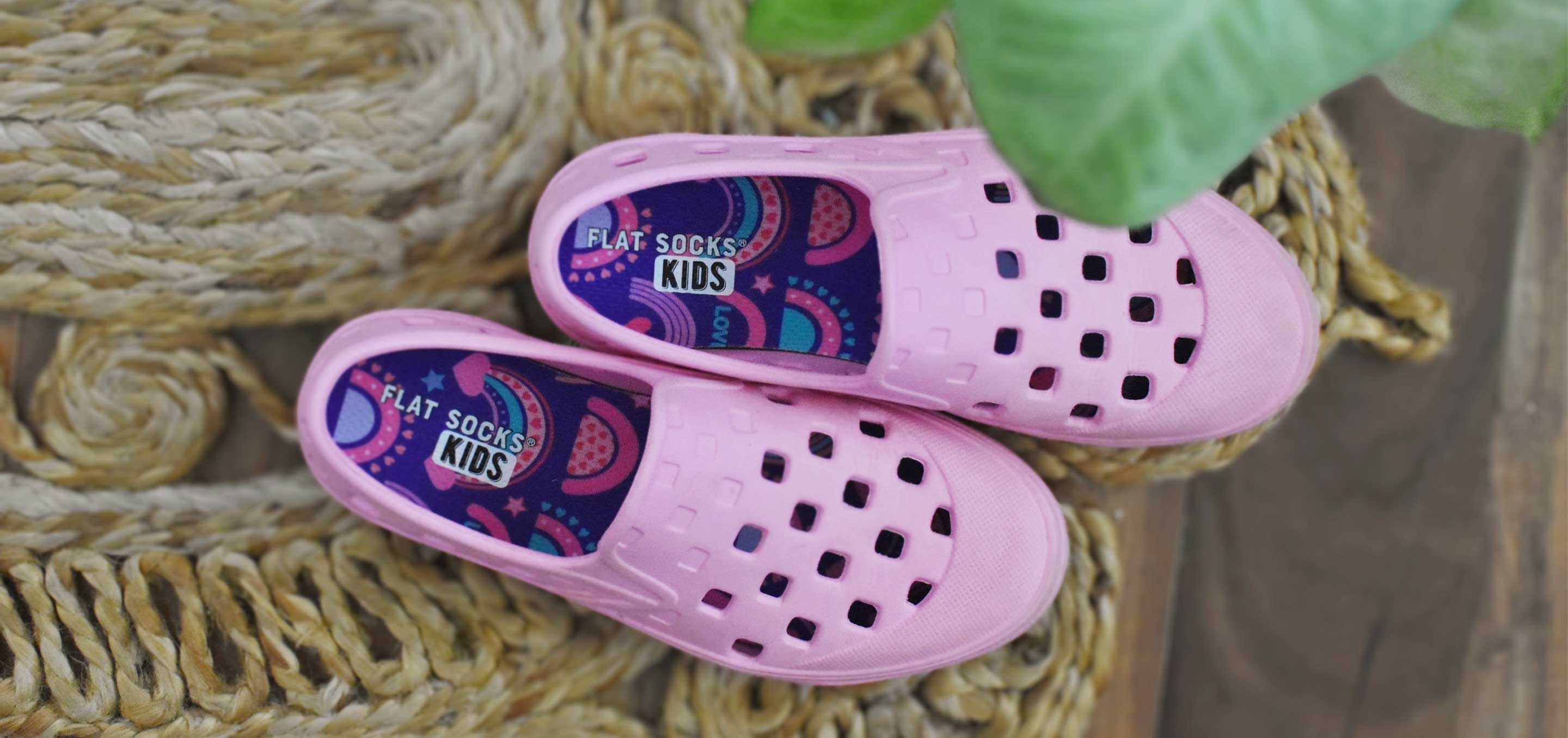
FLAT SOCKS are designed to sit inside shoes instead of wrapping tightly around feet and ankles. No heel slipping. No bunching under the arch. No elastic digging into skin halfway through the day. For some kids, that simpler setup is the difference between noticing their socks all day and forgetting about them completely.
Tip #3: Pay Attention to the Shoes, Too
Sometimes the socks aren’t the whole problem. Shoes that are too tight, too stiff, or poorly ventilated can make sock discomfort feel even worse. If your child is constantly taking off their shoes, or complaining about socks only in certain pairs, it’s worth looking at the entire setup.
Shoes Can Amplify Sensory Discomfort
A sock that feels fine in one shoe may feel terrible in another. Look for shoes that:
- Have wider toe boxes
- Allow airflow
- Don’t create excess friction
- Feel flexible instead of rigid
And if your child already found a pair of shoes they love? Respect that victory. Sometimes keeping a familiar shoe while changing the sock solution works better than replacing everything at once.

What NOT to Do When Kids Hate Socks
It’s easy to get frustrated when sock struggles become part of the daily routine. But forcing uncomfortable socks usually backfires. Avoid telling kids to “just ignore it”, assuming they’re being dramatic, and making them wear uncomfortable socks “to get used to it”. Sensory discomfort is real, even when it seems minor from the outside. Sometimes the fastest way to improve mornings is simply believing your child when they say something feels wrong.
When Sock Problems Continue Into Adulthood
Kids don’t always outgrow sensory preferences. Plenty of adults still struggle with seams, tight elastic, or socks that feel distracting all day long. That’s why searches for sensory friendly socks for adults continue to grow too. Comfort isn’t childish. It’s just comfort.
The Goal Isn’t Perfect Socks, It’s Less Stress
If your child hates socks, you don’t need a complicated fix. Usually, small changes make the biggest difference:
- Softer materials
- Fewer seams
- Better-fitting shoes
- More control and flexibility
The goal isn’t to force kids into “normal” socks. It’s to help them feel comfortable enough that socks stop being the main event of the morning. And honestly, everyone wins when getting dressed takes less negotiation.
Kids Who Hate Socks FAQs
Q: Why do some kids hate wearing socks?
A: Many kids are sensitive to seams, tight elastic, heat, or fabric textures. For some, socks create constant sensory distractions.
Q: What are the best socks for kids with sensory issues?
A: Seamless or sensory-friendly socks with soft materials, flat seams, and breathable fabrics tend to work best.
Q: Are seamless socks for kids actually different?
A: Yes. Kids seamless socks reduce bulky stitching around the toes, which can make shoes feel much more comfortable.
Q: What if my child refuses socks completely?
A: Start by identifying what feels uncomfortable. Some kids prefer lighter alternatives or sock-free options that reduce pressure and seams.
Q: Do sensory sock issues continue into adulthood?
A: Absolutely. Many adults still prefer sensory friendly socks for adults because comfort sensitivities don’t always disappear with age.
References
https://childmind.org/article/sensory-processing-issues-explained/


