


Are Crocs Good For Your Feet?
Few shoes have sparked as much debate as Crocs. Some people swear they’re the most comfortable shoes ever created. Others still can’t believe foam clogs became a fashion statement.
Love them or hate them, Crocs have officially entered the “not going anywhere anytime soon” category. They’re worn by nurses, chefs, parents, kids, travelers, gardeners, and pretty much anyone who wants to slip into something comfortable without thinking too hard about it. But comfort and foot health aren’t always the same thing. Crocs have some genuine comfort benefits, but like most shoes, they work best when worn at the right time, for the right activities, and with a little common sense.

Are Croc Shoes Good for Your Feet? The Pros
Crocs became popular for a reason. They’re lightweight, easy to clean, and have that “walking on a marshmallow” feeling people love. While they’re not perfect for every situation, they do have some foot-friendly features.
Lightweight Cushioning Makes Them Comfortable
One of the biggest reasons people love Crocs is the cushioning. Traditional Crocs are made from Croslite™, a lightweight closed-cell resin material designed to provide softness and shock absorption. This helps create that squishy, supportive feeling that makes people choose them for casual wear. For short periods of standing, walking around the house, running errands, or relaxing after a long day, that cushioning can feel like a major win. Because honestly? Sometimes your feet just want a break.
The Wide Toe Box Gives Feet Room
Nobody likes feeling like their toes are trapped in a tiny shoe prison. One benefit of Crocs is their roomy design. The wider toe area allows your toes to spread out more naturally compared to narrow shoes that squeeze everything together. A wider toe box can be helpful for people who dislike tight-fitting footwear or experience discomfort from pressure around their toes.
They’re Easy to Slip On (Which Is Kind of the Whole Point)
Convenience is where Crocs shine. Need to grab the mail? Walk the dog? Run outside for approximately 12 seconds because you forgot something in the car? The slip-on design makes them easy for kids and adults, and the ventilation holes help improve airflow compared to fully enclosed shoes.
When Crocs Might Not Be the Best Choice
Now for the part Crocs fans may not want to hear. Just because a shoe feels comfortable doesn’t automatically mean it’s built for everything. Crocs have benefits, but there are situations where your feet may need more support.
They’re Not Designed for Long Walks or High-Impact Activities
Crocs are great for casual comfort. Hiking five miles? Probably not their strongest moment. Many classic Croc styles don’t provide the same level of heel stability, structure, or customized support as athletic shoes.
If your foot slides around too much inside the shoe, your toes may naturally grip to keep the shoe in place. Over time, that can contribute to fatigue or discomfort. According to the American Podiatric Medical Association, supportive shoes should provide appropriate fit, stability, and protection based on activity level. Basically: match the shoe to the mission.
Sweat and Odor Can Still Happen
Crocs have ventilation holes, but feet are feet. They sweat. It’s kind of their thing. Wearing Crocs barefoot for long periods can still lead to moisture buildup, especially in warm weather. And moisture trapped between your feet and shoes can contribute to odor.
The Fit Matters More Than You Think
Crocs are meant to feel roomy, but there’s a difference between relaxed and too loose. If your shoes are constantly sliding around, your feet may work harder than necessary to stabilize your steps. Your Crocs should feel comfortable without making your toes do all the work.
Are Crocs Good for Your Feet and Back?
A lot of people wonder: Are Crocs good for your feet and back? The answer depends on your body, your shoes, and how you’re wearing them. Comfortable footwear can help reduce unnecessary strain, especially if you’re switching from unsupportive shoes. However, if your Crocs don’t provide enough stability for your needs, they may not be ideal for long periods of walking or standing. Foot comfort affects how you move, and your movement can impact your ankles, knees, hips, and back. If you experience ongoing foot or back pain, it’s always best to check with a medical professional who can evaluate your specific needs.
Should You Wear Socks with Crocs?
Once considered a fashion crime, socks with Crocs have somehow become a staple. And from a comfort standpoint, socks actually make sense. They can help:
- Reduce friction
- Absorb moisture
- Keep shoes fresher
- Add an extra comfort layer
The problem is that traditional socks aren’t always the perfect match. They show. They bunch. They slip. And sometimes they take away the easy, breezy feeling that made you choose Crocs in the first place.

The No-Sock Solution for Crocs
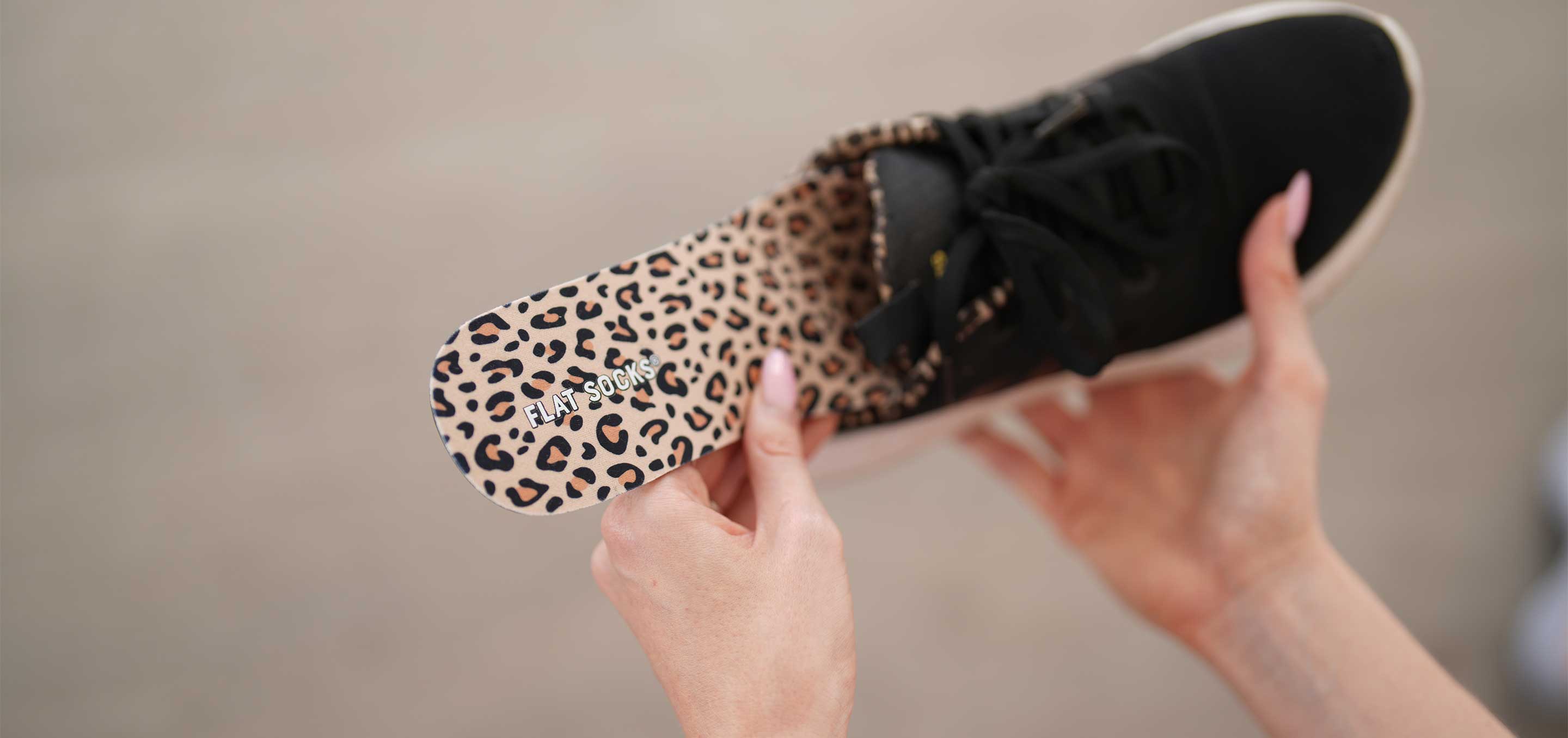
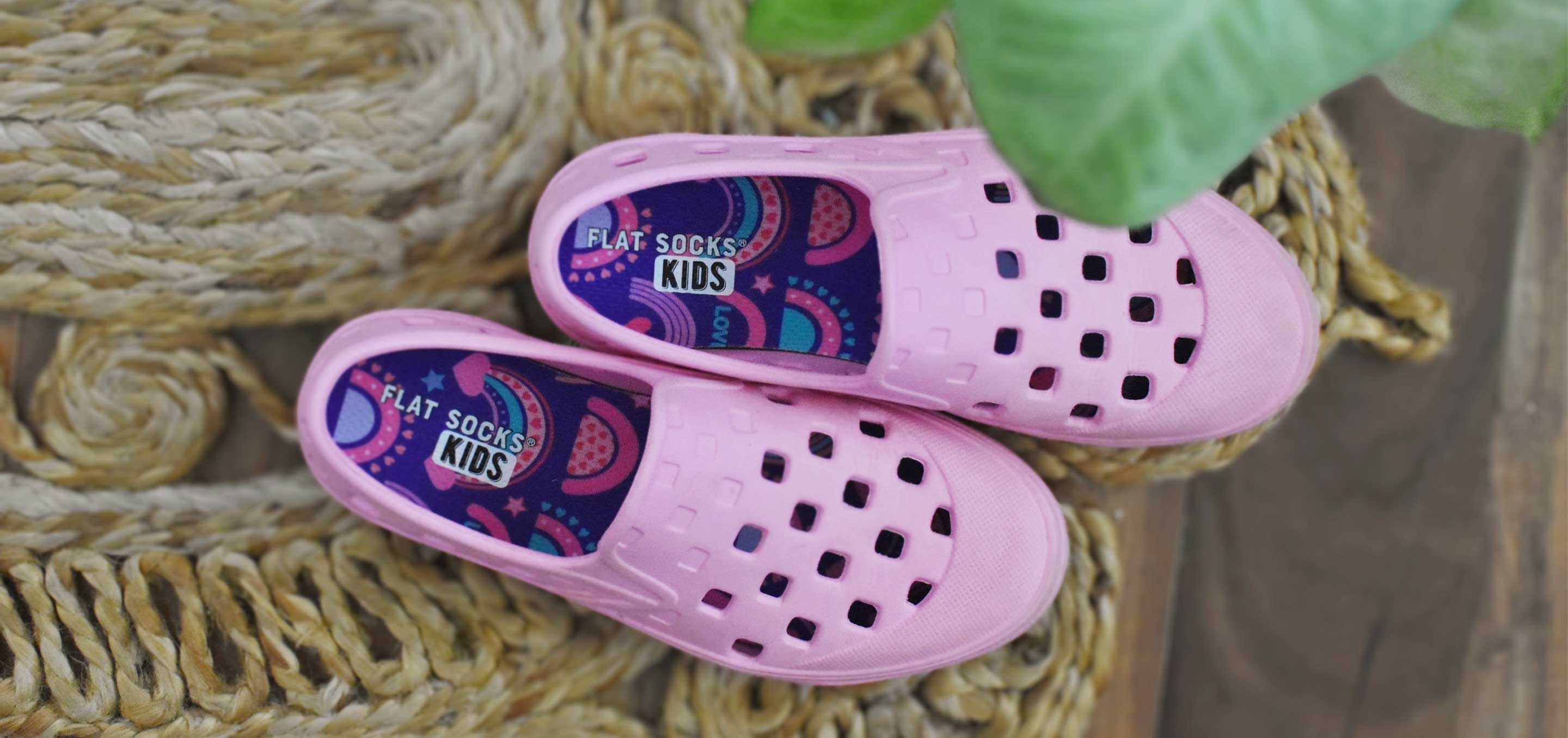
If you love the barefoot feeling of Crocs but don’t love sweaty feet or shoe odor, there’s a middle ground. FLAT SOCKS give you the comfort of socks without actually wearing traditional socks. They sit inside your shoes, creating a soft, breathable layer that helps keep things fresh without covering your feet.
No slipping.
No bunching.
No awkward sock-and-Croc debate required.
How to Wear Crocs Comfortably
Crocs can absolutely have a place in your shoe lineup. The key is using them where they work best. For happier feet:
- Wear them for casual, everyday activities
- Make sure they fit securely
- Avoid using them as replacements for athletic shoes
- Keep them clean and dry
- Add a comfortable layer if sweat or friction becomes an issue
Your shoes don’t have to be perfect for every activity. They just have to make sense for what you’re doing.
The Bottom Line: Are Crocs Good for Your Feet?
Crocs aren’t miracle shoes, and they’re not foot villains either. They’re comfortable, convenient, and great for plenty of everyday moments. But like any shoe, they have limits. Wear them when they make sense. Give your feet support when they need it. And if you want that easy Crocs comfort without the sweaty-foot situation, a small upgrade inside your shoes can go a long way. Because your feet deserve comfort, even when your fashion choices spark debates.
Crocs and Foot Health FAQs
Q: Are Crocs good for your feet?
A: Crocs can be good for casual comfort because they’re lightweight, cushioned, and roomy. However, they may not provide enough support for every activity.
Q: Are Croc shoes good for your feet all day?
A: It depends on what you’re doing. Crocs are great for casual wear, but long walks or active days may require more structured footwear.
Q: Are Crocs good for your feet and back?
A: Proper footwear can support better movement, but Crocs may not provide enough stability for everyone. Fit and activity level matter.
Q: Should you wear socks with Crocs?
A: You can! Socks help reduce friction and moisture, but FLAT SOCKS are another option if you want comfort without traditional socks.
Q: How do you keep Crocs from smelling?
A: Keep them clean, let them fully dry between wears, and use breathable options like FLAT SOCKS to help reduce moisture buildup.
References
American Podiatric Medical Association – Tips for Healthy Feet


