


Benefits of Going Barefoot (And When Not To)
There’s a reason kicking off your shoes feels so good. One second, you’re dealing with tight laces, slipping socks, and who-knows-what happening in your shoes, and the next, you’re free. Toes out. Problems gone (or at least significantly reduced).
Whether you’re walking across grass, stepping onto warm sand, or just pacing around your kitchen mid-snack decision, going barefoot taps into something simple. It’s comfortable, low-maintenance, and underrated. But beyond the “ahhh” moment, there are real benefits of walking barefoot, and a few moments where your feet might politely request a little backup.
Why Being Barefoot Just Makes Sense
Your feet are doing a lot more than just getting you from point A to point B. They’re constantly sensing what’s under you: pressure, texture, movement, and sending that information back to your brain. When you’re barefoot, that system works the way it’s supposed to. No buffer. No middleman. Just your feet doing their job.
It’s part of why being barefoot can feel oddly calming. You’re more aware, more grounded (yes, literally), and less distracted by things like seams, tight cuffs, or socks slowly sliding into your shoe like they’ve got somewhere else to be.
The Real Benefits of Walking Barefoot
Let’s start with the big one: your feet actually get to work. Most shoes, especially the cushioned, supportive kind, do a lot of the heavy lifting for you. Which sounds great, until your foot muscles decide to clock out early. When you go barefoot, those muscles have to show up again.
Over time, that can mean stronger feet, better balance, and fewer “why are my feet tired?” moments when you’re walking or standing for long periods. Without a layer between you and the ground, your body gets clearer signals. You adjust faster, move more naturally, and you’re not fighting your footwear.
And then there’s the whole grounding barefoot conversation. Walking on grass, sand, or dirt has been linked (at least anecdotally, and in some early research) to feeling more relaxed and less stressed. Science is still catching up here, but your body tends to know when something feels good. At the very least, it’s a solid excuse to stand outside for a minute.

When Barefoot Isn’t the Move
As great as it is, barefoot isn’t always the right call. City sidewalks? Probably not. Public gyms? Definitely not. Mystery surfaces where you’re not sure what you’re stepping on? Hard pass.
There’s also the temperature issue. Hot pavement will humble you quickly. Cold ground isn’t much better. And if your feet are used to supportive shoes, jumping straight into full time barefoot life can feel ambitious. Your muscles need time to catch up. Think of it less like flipping a switch and more like easing into it. And in some cases, like if you have reduced sensitivity in your feet, it’s just smarter to have a little protection in place.
The Sweet Spot: Somewhere Between Barefoot and “Fully Dressed Feet”
Here’s the good news: you don’t have to commit to one extreme. Most people land somewhere in the middle. Barefoot when it makes sense. Covered when it doesn’t. Comfortable either way.
At home? Barefoot usually wins.
Outdoors on soft ground? Go for it.
Inside your shoes? That’s where things can get tricky.
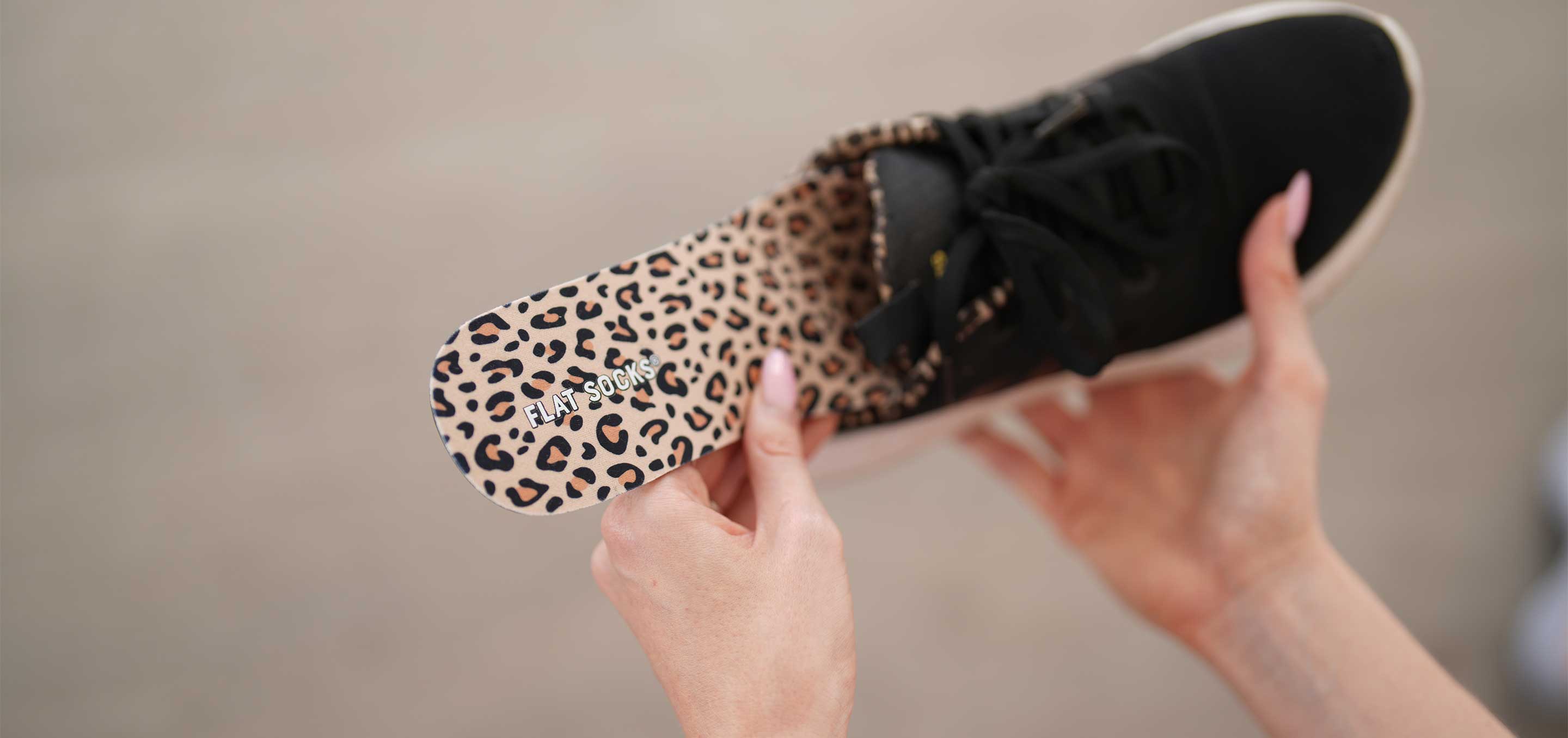
Because traditional socks, let’s be honest. They slip, they bunch, they twist, and somehow always end up halfway off your heel at the worst possible moment. That’s where FLAT SOCKS come in.
They give you that barefoot feel inside your shoes, without the usual sock drama. No slipping. No bunching. No seams doing surprise appearances. Just a clean, low-profile layer that stays put and keeps things comfortable. It’s basically barefoot energy, but with backup.
How to Start Going Barefoot (Without Regretting It Later)
If you’re thinking about spending more time barefoot, you don’t need to overthink it. Just don’t go from zero to “I live like this now” overnight.
Start indoors. Let your feet get used to it. Then ease into outdoor surfaces like grass or sand. Pay attention to how things feel, especially in your arches and ankles, and give your body time to adjust.
A few simple rules help:
- Start small and build up
- Stick to safe, comfortable surfaces
- Don’t ignore discomfort (your feet will let you know)
- Take breaks when you need them
No big plan required. Just a little awareness.
The benefits of being barefoot are real. Stronger feet, better balance, and more natural movement all come from letting your body do its thing. But barefoot doesn’t have to be all or nothing. Sometimes it’s no shoes at all. Sometimes it’s a little extra comfort inside your shoes. Most of the time, it’s a mix. The goal isn’t perfection, it’s comfort. And if you can get that without constantly adjusting your socks? Even better.
Going Barefoot FAQs
Q: What are the main benefits of walking barefoot?
A: Stronger feet, better balance, and more natural movement. It also feels good, like giving your feet a break from doing overtime in shoes all day.
Q: Is grounding barefoot actually a real thing?
A: There’s some early research behind grounding barefoot, but most people notice the benefits simply because it feels calming and helps you slow down.
Q: Is it bad to walk barefoot all the time?
A: Not necessarily, but it depends on where you are. Be aware of the safety and temperature of the surfaces around you before going barefoot.


