


How to Break In New Shoes Without the Blisters
There’s something deeply satisfying about a brand-new pair of shoes. They’re clean, they’re crisp, they haven’t yet experienced parking lots, mystery puddles, or whatever is happening on the floor of the movie theater. Then you wear them for an hour and realize your heels have been betrayed.
Breaking in shoes can take a little time, especially when you’re dealing with stiff materials or a fit that hasn’t quite adjusted to your feet. But painful blisters shouldn’t be considered a mandatory initiation ceremony for new footwear.
Why Do New Shoes Cause Blisters?
Most blisters from shoes are friction blisters. They form when repeated rubbing causes the upper layers of your skin to separate, allowing fluid to collect in the space between them. Shoes that are too tight or too loose can both increase friction, and moisture can make the problem worse.
New shoes can be particularly troublesome because their materials haven't had time to soften or adapt to your feet. Leather, for example, may need some wear before it becomes more flexible. Even properly fitting new shoes can create unfamiliar pressure points during those first few outings. Common blister trouble spots include your:
- Heels
- Toes
- Sides of your feet
- Balls of your feet
- Areas where seams or shoe edges repeatedly rub
The trick is noticing those problem areas before your feet start filing formal complaints.
How to Break In New Shoes Without Blisters
You don't need an elaborate shoe-stretching ritual involving a freezer, hair dryer, three pairs of socks, and advice from somebody's cousin on TikTok. Start with the basics.
1. Make Sure Your New Shoes Actually Fit
Before asking how to break in shoes, make sure they should be broken in at all. There's an important difference between a shoe that feels a little stiff and one that simply doesn't fit.
Shoes that are too small can squeeze your toes and create pressure points. Shoes that are too large can allow your heel or foot to slide around, creating repeated friction. The American Academy of Dermatology (AAD) recommends properly fitting shoes that are neither too tight nor too loose as one of the primary ways to prevent foot blisters.
Walk around in your new shoes indoors before committing to a full day in them. Pay attention to whether your toes feel crowded, your heel slides excessively, or one area creates sharp pressure. Your pinky toe sending an SOS? That's probably a sizing issue.
2. Break In Shoes Slowly
Your new shoes don't need to meet your entire life on day one. Instead of wearing them for eight hours straight, start with short periods around the house or while running a quick errand. Cleveland Clinic specifically recommends breaking new shoes in gradually before wearing them for extended periods, including dress shoes, boots, high heels, and athletic footwear. Try wearing them for 30 minutes to an hour at first. If your feet feel good, gradually increase the amount of time you wear them. This gives the materials time to soften while also giving you a chance to identify pressure points before they become painful.
3. Protect Blister-Prone Areas Before They Hurt
If you already know that certain shoes tend to rub your heels, don't wait until you're limping to do something about it. Using adhesive moleskin or other soft bandages on problem areas, and petroleum jelly or powder can also help reduce friction where skin rubs against footwear.
Pay particular attention to areas where you notice warmth, redness, or irritation. Mayo Clinic describes a developing "hot spot" as a warning that a blister may be forming and recommends addressing it promptly with tape, a blister bandage, or moleskin.
4. Keep Your Feet Dry to Help Prevent Blisters From Shoes
Friction is bad enough on its own. Add moisture, and you've created an even better environment for blisters. That's why one of the most useful answers to how to prevent blisters on feet is also one of the simplest: manage moisture.
Moisture increases blister risk and recommends moisture-wicking socks and changing into dry socks as needed. This is especially important if you're breaking in shoes during hot weather, traveling, walking long distances, or simply have feet that like to sweat.
5. Reduce the Sock Drama Inside Your Shoes
Traditional socks can help reduce friction between your feet and shoes, but they can also create problems of their own. A sock that slips down, twists, develops folds, or bunches underneath your foot can create additional pressure and friction exactly where you don't want it.
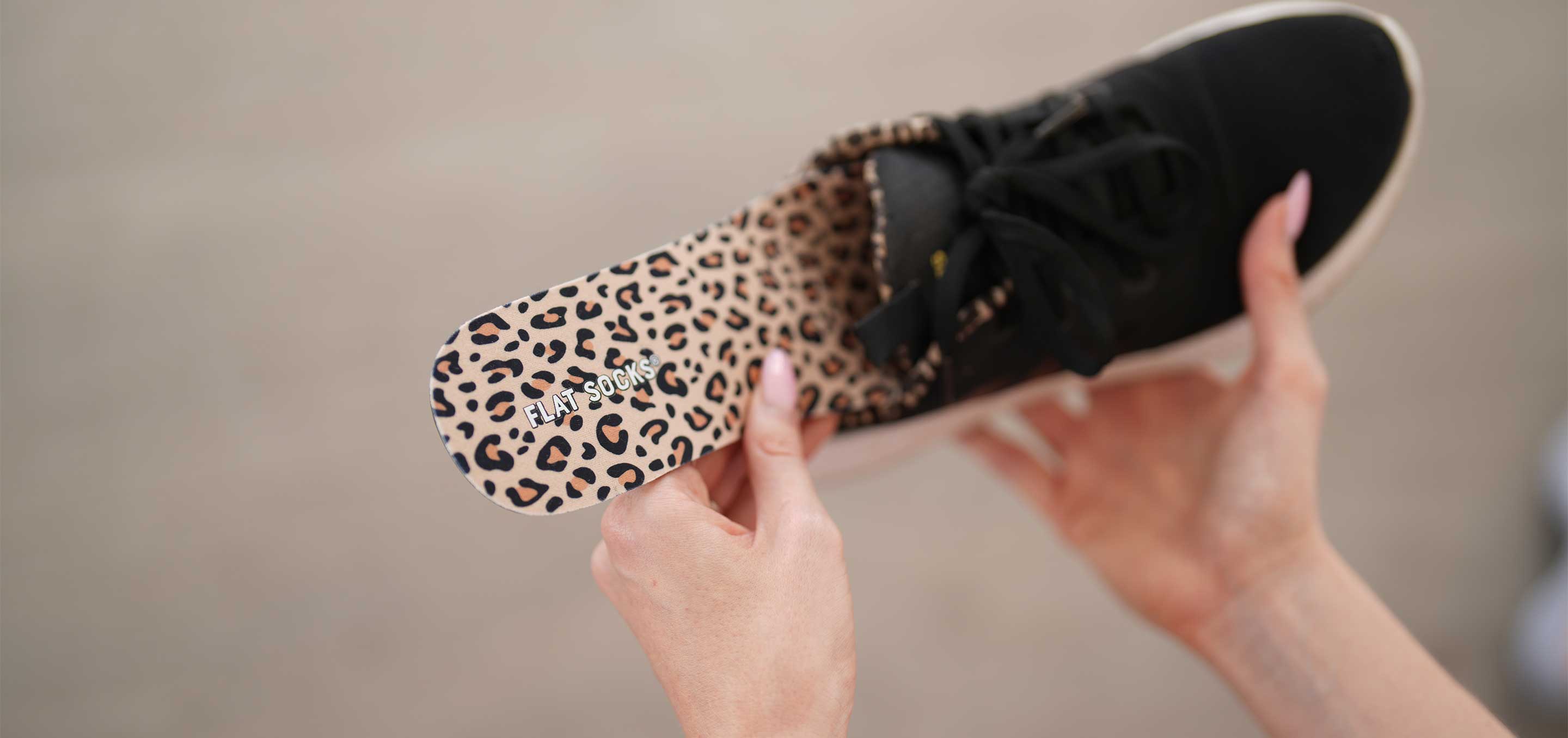
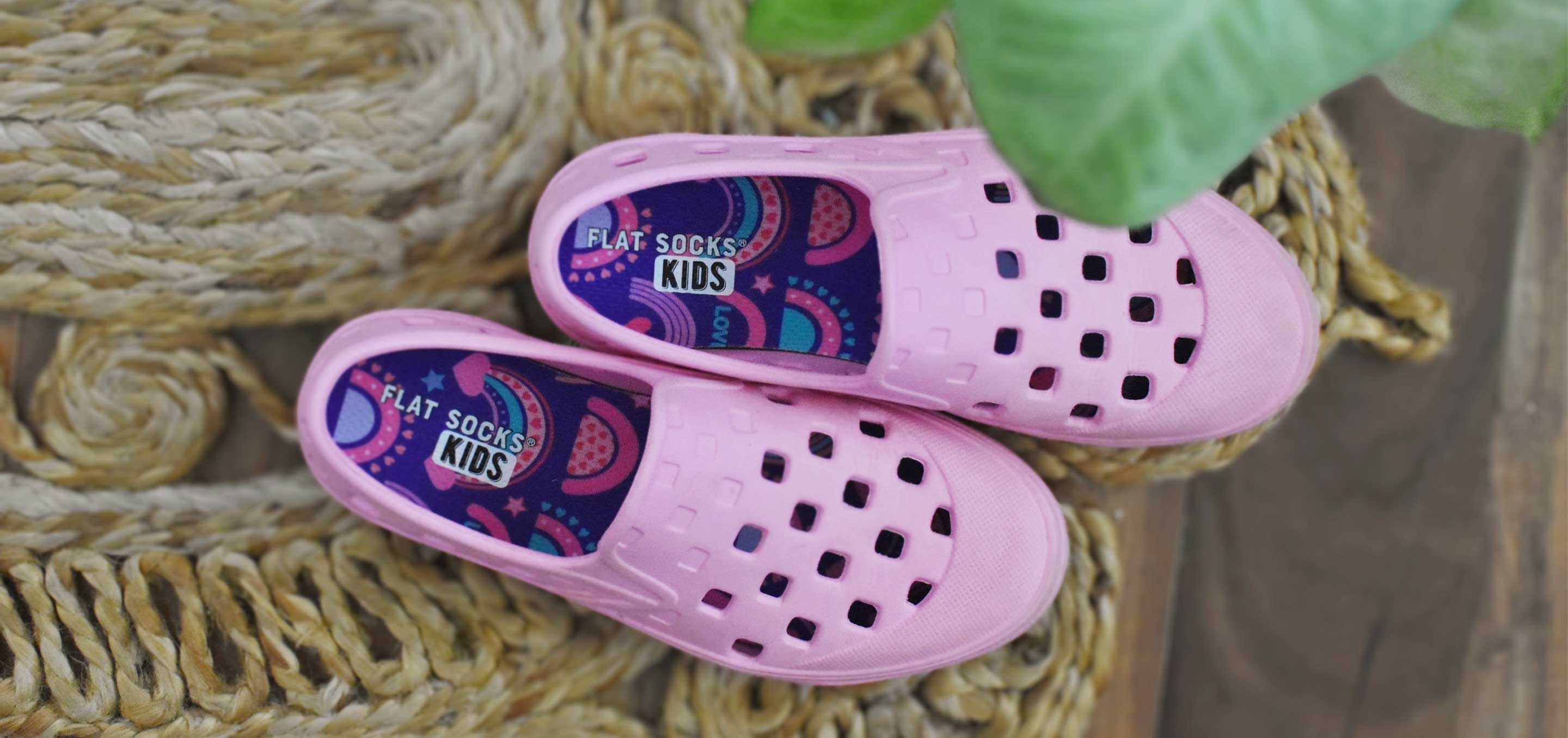
For shoes you'd normally wear barefoot or with no show socks, FLAT SOCKS offer a different approach. Instead of wrapping around your foot, they sit directly inside your shoe, creating a soft layer underfoot without a cuff, heel, or traditional sock seams. They're designed to stay put, help manage moisture, and give you cushioned comfort without the slipping and bunching that can make new shoes even more annoying.

How Long Does Breaking In Shoes Take?
There's no universal break-in period because shoes vary significantly by construction, material, fit, and intended use. A soft sneaker may feel comfortable almost immediately. Stiffer leather shoes or boots may need several shorter wears before they feel more natural. Instead of focusing on a specific number of days, focus on how your feet feel. Increase your wear time gradually while checking for redness, rubbing, pinching, or hot spots.
If a shoe continues causing significant discomfort after several short wears or feels obviously too narrow, short, or unstable, the problem may be the fit rather than the break-in period.
How to Prevent Blisters From Shoes During Long Days
Maybe you've successfully broken in your shoes enough to leave the house. Now you're heading to a wedding, conference, vacation, amusement park, or another event where "I'll just change shoes" isn't exactly convenient. Preparation matters even more when you know you'll be walking or standing for hours. Before a long day:
- Wear shoes you've already tested for shorter periods.
- Protect known friction points with moleskin or another appropriate bandage.
- Keep your feet as dry as possible.
- Choose a comfortable, moisture-managing layer between your feet and shoes.
- Bring blister protection with you if you'll be away from home for hours.
Most importantly, don't ignore discomfort; if you notice a hot spot or redness, deal with it early. Continuing to walk while your shoe repeatedly rubs the same irritated area can turn a minor annoyance into a full blister.
What Should You Do If You Already Have a Blister?
If you already have a blister, the AAD recommends leaving it intact when possible because the skin covering it helps protect the area underneath. You can loosely cover it with a bandage and use donut-shaped padding around blisters located in pressure areas. Most blisters heal naturally, often within one to two weeks.
Give the irritated area a break from whatever caused it, too. Wearing the exact same rubbing shoe the next morning isn't exactly setting your heel up for a comeback story. Seek medical care if you notice possible signs of infection, such as increasing pain, warmth, swelling, pus, or spreading redness or discoloration. People with diabetes, poor circulation, or increased infection risk should take extra precautions with foot blisters.
Breaking In Shoes Shouldn't Mean Breaking Your Feet
New shoes sometimes need a little time before they become the pair you instinctively grab on your way out the door. That's normal, but blisters don't have to be. If you're figuring out how to prevent blisters from shoes, focus on the things you can control: start with shoes that fit correctly, break them in gradually, protect potential friction points, manage moisture, and stop when you notice irritation developing.
And don't overlook what's happening inside your shoes. A comfortable, secure layer between your feet and your footwear can help reduce some of the friction and moisture that turn a perfectly good shoe day into a limp-home situation.
Breaking In New Shoes FAQs
Q: How do you break in shoes without getting blisters?
A: Start by wearing properly fitting new shoes for short periods and gradually increase wear time. Keep your feet dry and protect areas that begin to rub with moleskin, blister bandages, or another friction-reducing option.
Q: How can I prevent blisters on my feet from new shoes?
A: Wear shoes that fit properly, keep your feet dry, and address hot spots as soon as you notice redness or rubbing. Moisture-wicking materials and protective padding can also help reduce friction.
Q: Should new shoes hurt while breaking them in?
A: Some stiffness or mild unfamiliar pressure can happen, but significant pain shouldn't be considered a normal part of breaking in shoes. Persistent pinching, rubbing, or pain may indicate that the shoes don't fit properly.
Q: What should I do when I feel a blister starting?
A: Stop and address the area as soon as you notice a hot spot, redness, or discomfort. Protecting it with moleskin, tape, or a blister bandage can help prevent continued friction from turning the irritated area into a larger blister.


