


What Shoes Should You Wear Without Socks?
There are days when socks just aren’t invited. Maybe you’re wearing loafers and don’t want a sock peeking over the top. Maybe it’s 90 degrees outside and the idea of adding one more layer to your feet feels deeply unnecessary. Or maybe you’re simply a shoes-with-no-socks person and have no plans to change. Plenty of shoes can be worn without traditional socks, including loafers, boat shoes, slip-on sneakers, flats, and some casual sneakers. But just because you can wear a shoe sockless doesn’t always mean your feet or your shoes are going to be thrilled about it.
Without a traditional sock between your foot and your shoe, there’s less help managing moisture and reducing friction. That can mean sweaty feet, shoe odor, rubbing, and the occasional blister that makes every step feel like a personal attack. So which are the best shoes to wear without socks? And how do you make the whole sockless thing more comfortable?
Can You Wear Shoes Without Socks?
Yes. The real answer is: it depends on the shoe and what you’re doing in it. The best sockless shoes tend to be breathable, comfortable against bare skin, properly fitted, and better suited to casual wear than high-impact activities. The bigger issue is what happens inside your shoes.
Your feet naturally sweat, and enclosed footwear can trap heat and moisture. The American Podiatric Medical Association recommends keeping feet dry, wearing light and airy footwear, and changing shoes and socks regularly to help reduce moisture buildup. That moisture matters. The American Academy of Dermatology notes that the fungus that causes athlete’s foot thrives in warm, moist environments including hot, sweaty shoes.
Then there’s friction. The American Academy of Dermatology recommends moisture-wicking socks to help reduce chafing and blisters, especially during walking, running, and other activities that put your feet through a lot. So no, going sockless isn’t automatically a bad idea. It just means you’ll want to be a little pickier about the shoes you choose, and pay attention to what your feet are telling you.
6 Best Shoes to Wear Without Socks

-
Loafers
Loafers and bare ankles have been hanging out together for ages, so this one probably isn’t a shock. Penny loafers, driving loafers, and other casual slip-on styles are some of the easiest shoes to wear without socks because they’re low around the ankle and already lend themselves to a clean, sockless look.
The catch is friction; loafers can rub around the heel, sides of the foot, or toes, especially when they’re new. Make sure they fit securely without pinching or letting your heel slide around too much. And if they’re fresh out of the box, maybe don’t introduce them to your entire workday on their first outing.
-
Boat Shoes
Boat shoes are another classic choice for shoes worn without socks. They’re casual, low-cut, and practically built for warm-weather outfits. But warm weather, bare feet, and enclosed shoes can also equal a whole lot of moisture. If you’re wearing boat shoes sockless, look for breathable materials and give your shoes time to dry between wears. Rotating between pairs can also help keep things fresher. Because nautical is a vibe, and stinky is not.
-
Slip-On Sneakers
Slip-on sneakers are about as low-maintenance as footwear gets. No laces, no visible socks, and no morning negotiation with yourself. Canvas and other breathable slip-ons can work well for casual sockless wear. Just keep an eye on seams and edges that may rub against your feet. If the inside of your shoes starts feeling damp halfway through the day, that’s a pretty good sign they could use a moisture-managing layer between your feet and the shoe.
-
Low-Top Sneakers
Can you wear sneakers without socks? For casual use, sometimes. Low-top sneakers work especially well with the sockless look because they sit below the ankle, but how much time you’ll spend in them matters. A ten-minute coffee run is probably fine, however walking around a city for eight hours? That’s a different situation. The longer you’re on your feet, the more important moisture and friction become. The American Academy of Dermatology recommends moisture-wicking socks to help protect against chafing that can lead to blisters during activities that involve a lot of movement.
-
Flats
Ballet flats and other low-cut shoes can be tricky to pair with traditional socks without seeing them. That makes them a natural choice for anyone who prefers the sockless look. The downside is that flats often put your bare skin directly against the heel, toe box, and edges of the shoe. Pay attention to any area that starts feeling hot, irritated, or tender. Repeated friction can lead to blisters, so the sooner you deal with a problem spot, the better.
-
Crocs and Casual Clogs
Crocs and similar casual clogs are another easy choice for people who prefer going without traditional socks. Their roomy fit and ventilation can make them comfortable for casual wear, but bare feet can still sweat inside them. Yes, even shoes with holes can get funky! Keeping both your feet and shoes clean and dry goes a long way.
Shoes You Probably Shouldn’t Wear Without Socks
Just because your ankles want freedom doesn’t mean every shoe needs to participate. Some footwear benefits a lot more from having a moisture-managing, friction-reducing layer between your skin and the shoe.
Running and Workout Shoes
If you’re heading to the gym, going for a run, or doing anything that involves serious movement, this probably isn’t the moment to prove your commitment to sockless living. Running, sports, and other high-impact activities create repeated friction and usually involve more sweat. For workouts and longer periods of activity, socks can help manage moisture and reduce friction inside your shoes. Put performance first, bare ankle aesthetic second.
Hiking Boots
Hiking boots are made for long walks, uneven terrain, and conditions that ask a lot more from your feet. Going barefoot inside them can mean more direct rubbing plus more trapped moisture. For hikes and other long-distance walking, a good moisture-wicking sock is usually the smarter move.
Work Boots
If you’re spending all day in heavy, enclosed work boots, moisture management matters. A proper sock helps create a layer between your foot and stiff shoe materials while also helping manage sweat over long shifts. This is one of those times when socks are less "fashion decision" and more "your feet will thank you later."
What Happens When You Wear Shoes With No Socks?
Your Shoes Can Get Sweatier
Feet sweat, that’s normal. But when you’re wearing enclosed shoes, that moisture doesn’t always have anywhere convenient to go. Without something helping absorb or move moisture away, more of it can end up directly inside your footwear. And damp shoes tend to create their own little ecosystem.
Your Shoes May Start to Smell
Bare feet plus repeatedly damp shoes can make odor more noticeable over time. If you wear shoes sockless often, give them a chance to dry completely before wearing them again. Rotating between pairs can help too.
You May Experience More Rubbing
Traditional socks create a layer between your skin and your shoes. Take that layer away, and seams, stiff materials, heel counters, and shoe edges can rub directly against your feet. The American Academy of Dermatology notes that repeated friction can cause blisters. If you feel a shoe rubbing, don’t wait until you’re hobbling back to the car to deal with it. The goal isn’t perfection, it’s comfort.
How to Wear Shoes Without Socks More Comfortably
If you love the sockless look, a few simple habits can make it much easier on your feet.
- Start with clean, dry feet and properly fitting shoes.
- Choose breathable footwear whenever you can, especially in warm weather.
- Rotate between pairs so your shoes have enough time to dry fully between wears.
- If one spot keeps rubbing every time you wear a particular shoe, address the fit, protect the area, or add a comfortable layer between your foot and the shoe before irritation turns into a blister.
Want the Sockless Look Without Actually Going Barefoot?

Here’s where things get interesting. Traditional no show socks are supposed to solve the visible-sock problem. Sometimes they do, other times you’re halfway through the store and one has mysteriously folded itself underneath your heel like it’s given up on the day.
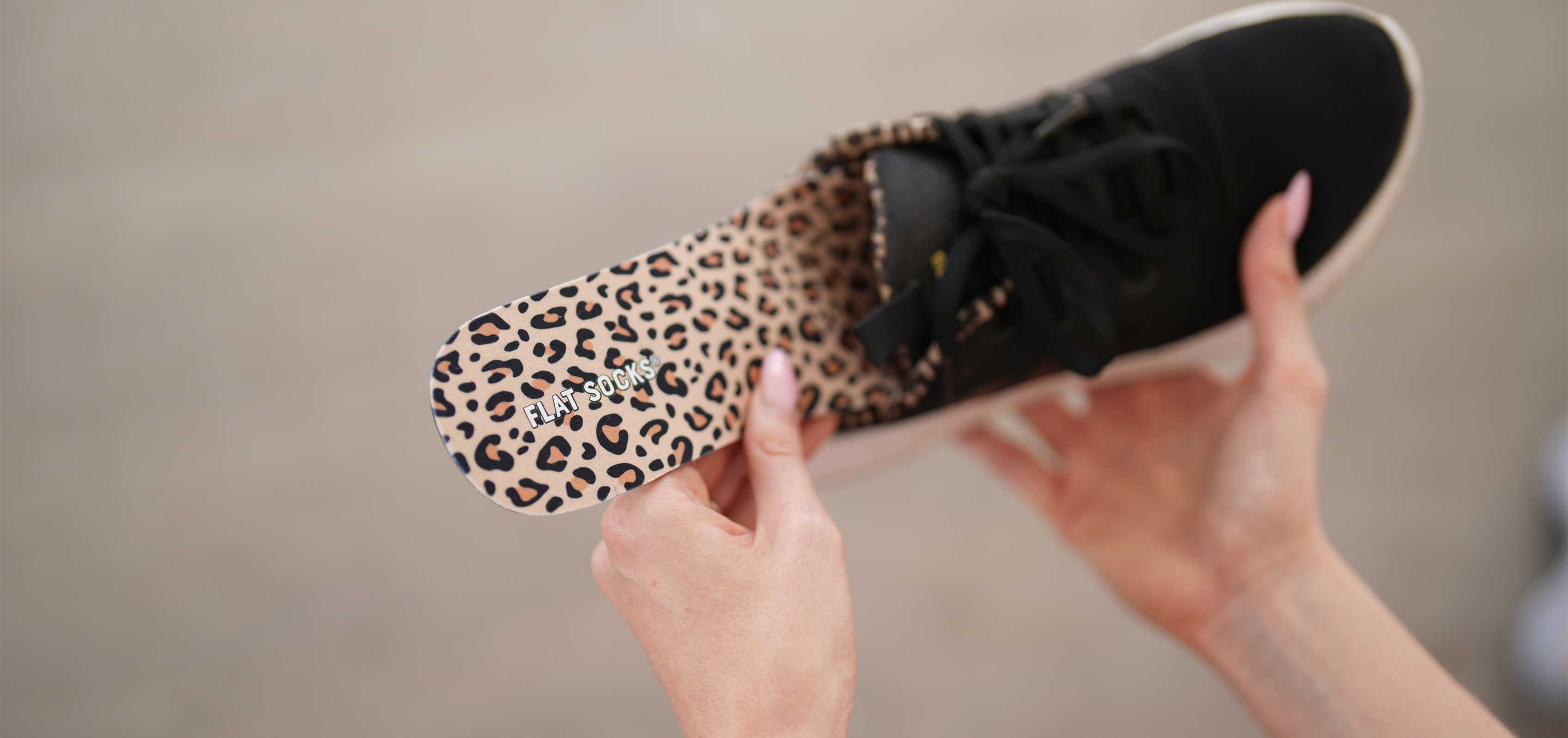
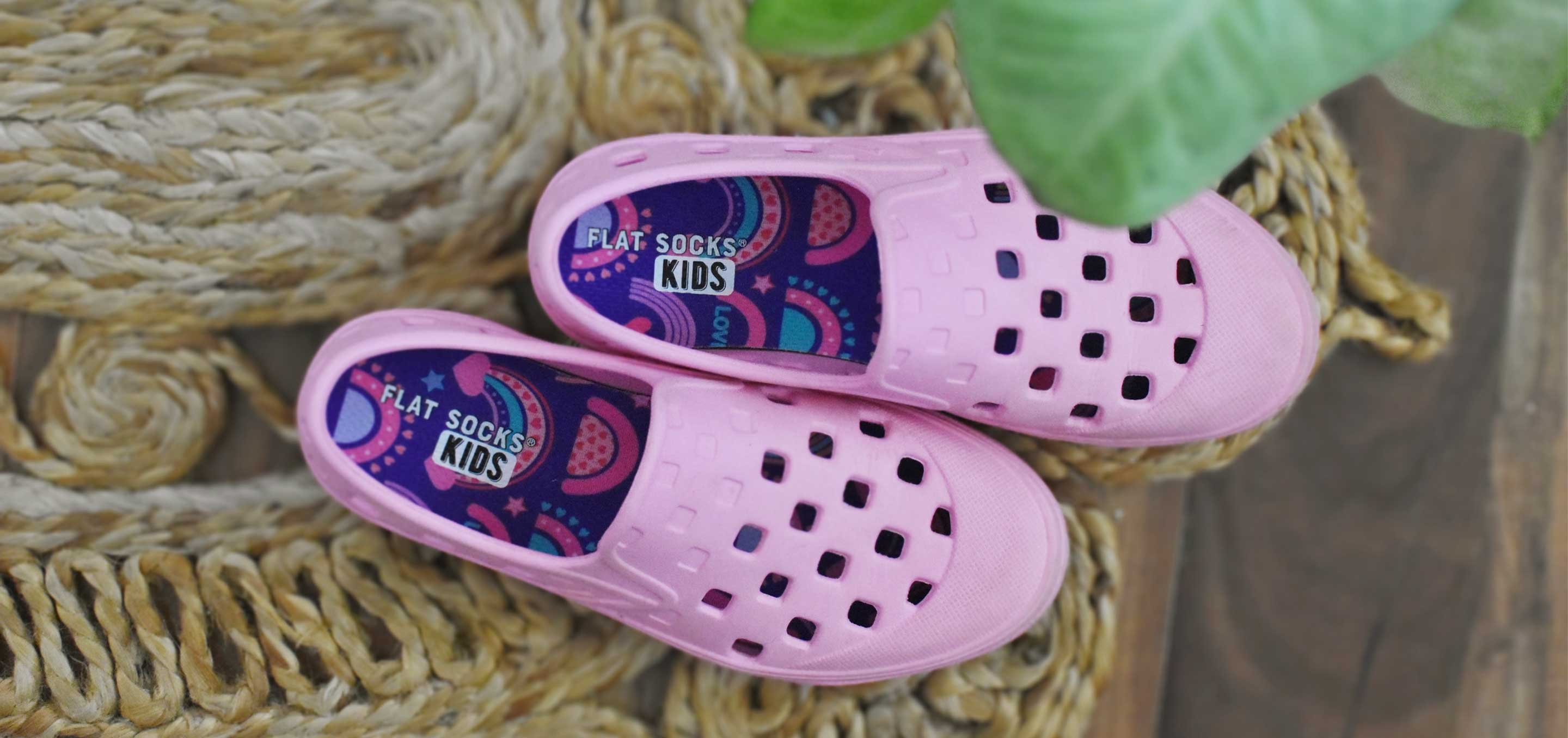
FLAT SOCKS take a different approach. Instead of wrapping around your foot, FLAT SOCKS sit directly inside your shoe. They create a soft, washable, moisture-wicking layer underfoot without a cuff, heel, or traditional sock seams. That means you can get the look of shoes with no socks without putting your bare feet directly against the inside of your footwear.
No slip, no bunching, no seams, and no sock peeking over the top of your loafers. FLAT SOCKS can be trimmed to fit different shoe shapes, making them a great option for loafers, flats, casual sneakers, slip-ons, clogs, and other shoes you’d normally wear barefoot. Basically, all the sockless energy with a little less foot drama.
Choosing the Best Sockless Shoes for Your Feet
The best shoes to wear without socks aren’t necessarily one specific style, they’re the shoes that fit your feet properly. Look for enough room around your toes, a secure heel, breathable materials, and an interior that doesn’t create obvious rubbing or pressure points. Then think about where you’re actually going. The longer you’ll be walking, standing, or moving, the more important it becomes to think about fit, moisture, and friction.
The Bottom Line on Shoes Worn Without Socks
Loafers, boat shoes, slip-ons, low-top sneakers, flats, and casual clogs can all be good shoes to wear without socks. But skipping traditional socks doesn’t mean you have to skip comfort too. Choose shoes that fit well, keep your feet and shoes dry, give footwear time to air out between wears, and pay attention when something starts rubbing. If you love the barefoot look but aren’t quite as excited about sweat, odor, slipping no shows, or bare feet directly against your shoes, FLAT SOCKS give you another option. Because sometimes the best sockless shoe setup involves a sock that isn’t actually on your foot.
Shoes Without Socks FAQs
Is it OK to wear shoes without socks?
Yes, many casual shoes can be worn without traditional socks. Loafers, flats, slip-ons, low-top sneakers, and casual clogs are common choices.
Do shoes smell more if you don’t wear socks?
They can without a moisture-managing layer, more sweat may end up directly inside your shoes. Rotating pairs, letting footwear dry completely, and keeping your feet clean can help reduce odor.
How can I wear shoes without socks and avoid sweaty feet?
Choose breathable footwear, start with clean and dry feet, rotate your shoes, and let each pair dry fully between wears. You can also add a washable, moisture-managing layer like FLAT SOCKS inside shoes you’d normally wear barefoot.
Are no show socks better than wearing no socks?
It depends on what feels comfortable for you because traditional no show socks create a layer between your foot and your shoe, but some styles can slip, bunch, or show around the edges. FLAT SOCKS offer another approach by sitting directly inside the shoe instead of wrapping around your foot.


